


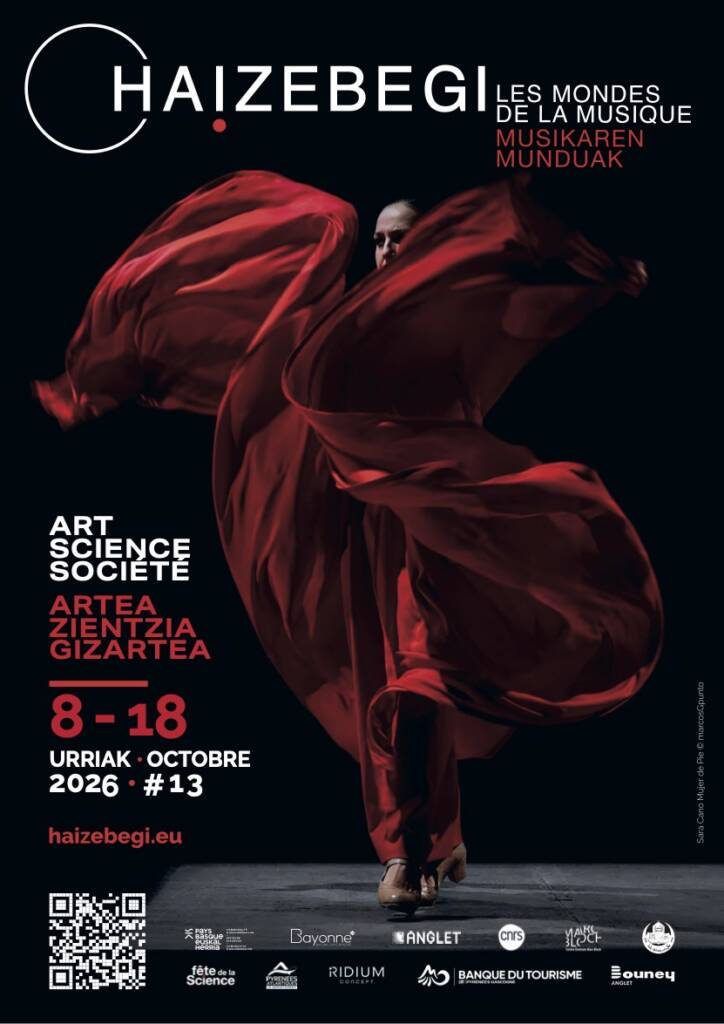
October 8–18, 2026, in the Basque Country
Haizebegi #13
At the Heart of the Worlds of Music
For its 13th edition, Haizebegi once again transforms the Basque Country into a place where artists, researchers, citizens, and cultures from around the world come together. For eleven days, concerts, dance, films, personal accounts, discussions, and scientific research will showcase music—both visually and aurally—and reveal what it tells us about the societies that bring it to life.
From emerging Basque music to the folk traditions of La Mancha, from international research on music and autism to the voices of Yazidis in exile, Haizebegi once again explores this year what music can do for our societies: preserve memory, forge connections, resist erasure, and create new shared spaces.
Discover the highlights of Haizebegi #13
SOUNDS OF LA MANCHA: THE DANCE, THE VOICE, AND THE WIND
It’s one of the major artistic events at Haizebegi #13.
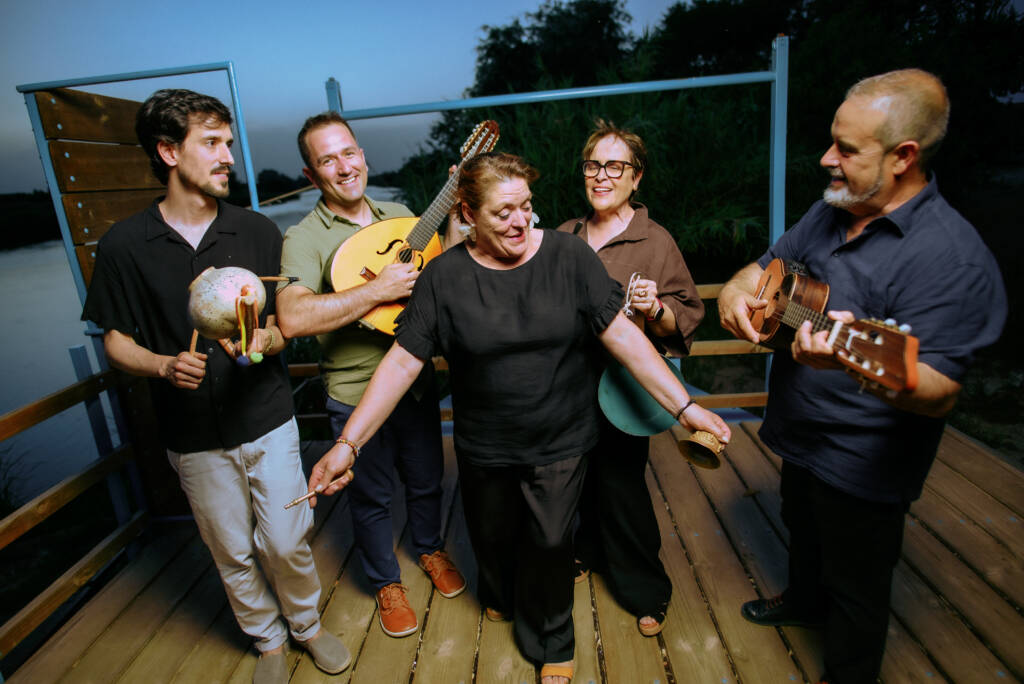
Since the mid-1980s, Vigüela has drawn on the folk music of Castile-La Mancha—jotas, seguidillas, fandangos—to keep alive a tradition that is anything but static. Their work has taken them to major international stages and even to the U.S. Library of Congress, which invited them in 2022 to record a concert for its music archives.
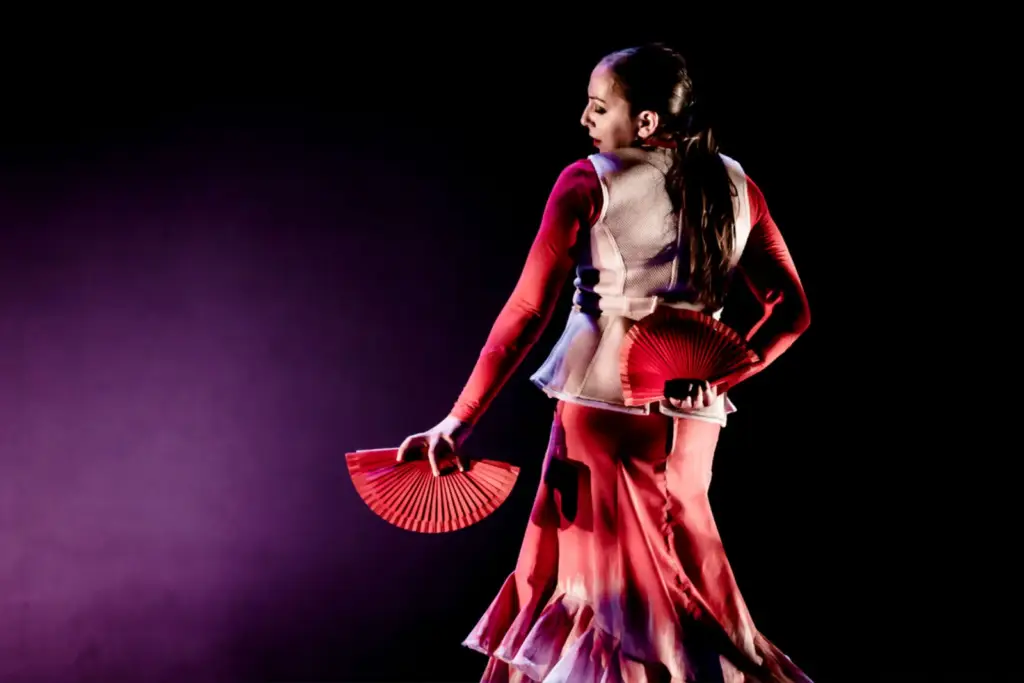
In Haizebegi, Juan Antonio Torres, Carmen Torres, and the musicians of Vigüela meet the dancer and choreographer Sara Cano. Trained in Madrid, she blends flamenco, contemporary dance, and Iberian folklore into a resolutely personal choreographic style.
From this encounter came Sonidos de la Mancha – El Baile, la Voz y el Viento : the sounds of Don Quixote’s homeland, conveyed through dance, voices, and instruments, blending the power of folk expression with contemporary creation.
Alongside this highlight, workshops and Ateliers du Futur will extend the engagement with young people and local audiences: because at Haizebegi, the stage is also a place for passing on knowledge.
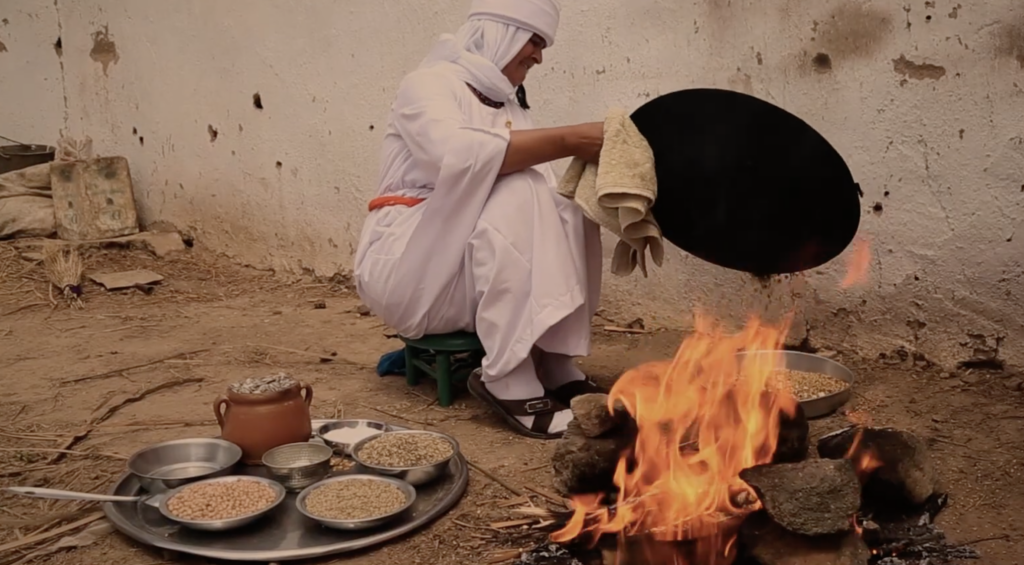
YAZIDIS: VOICES FROM EXILE
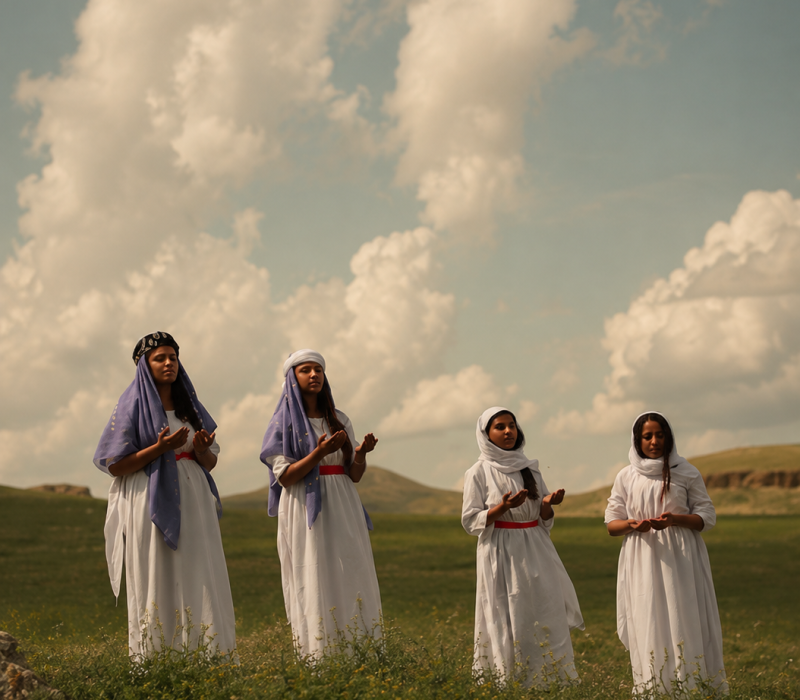
Twelve years after the genocide perpetrated by ISIS, Haizebegi has chosen to bear witness alongside Yazidi survivors and to amplify the voices of those who are now rebuilding their culture in exile.
In August 2014, ISIS launched a genocidal campaign against the Yazidi people in the Sinjar region of northern Iraq. Twelve years later, beyond the memory of the genocide, another question arises: How does a culture survive, be passed down, and be rebuilt in exile?
For several days, Haizebegi brings together in the Basque Country Yazidi survivors, artists, musicians, researchers, legal experts, and major organizations committed to defending human rights. Here, the voices of the survivors become an act of resistance and transmission; the voices of exile, a strategy for survival.
The Haizebegi 2026 Conference will feature presentations by researchers and prominent figures from the CNRS, EHESS, the University of Mosul, the University of Manchester, the Marc Bloch Center in Berlin, and the Convergences Migrations Institute, alongside organizations such as Yazda and Voice of Ezidis.
But telling the story of the Yazidis also means giving a voice to a living culture. The festival will therefore give full prominence to songs and dances, artists, and the Art Market, as well as to encounters between different cultural heritages: Hussein Lawand and Julen Achiary will, in particular, create a dialogue between Yazidi epic songs and the kantu zaharrak of Soule—two living traditions interwoven with memory, absence, and transmission.
A GRAND YEZIDI FESTIVAL, FOLLOWED BY AN EXCEPTIONAL CLOSING CEREMONY WITH RUSAN FILIZTEK
Haizebegi chooses to conclude this journey not merely with a tale of destruction, but with what remains and is shared: a culture, traditions, flavors, songs, and dances.
The Great Yazidi Festival will bring together audiences, artists, and guests for singing and dancing workshops, film screenings, meet-and-greets, an art market, and a grand Yazidi feast prepared and shared together, in partnership with the Don Bosco Institute, among others.
And to wrap up Haizebegi #13, let's hear from Rusan Filiztek & Friends.
Stranbej, a singer and virtuoso musician, Rusan Filiztek is one of the leading ambassadors of traditional Kurdish music on the international stage. For Haizebegi, he brings together his Yazidi, Kurdish, and Andalusian friends and performs the songs that have brought international success to their latest album, *Exiles: From Mesopotamia to Andalusia*.
An exhilarating musical journey, where musical traditions flow and give rise to new repertoires, navigating the realms of memory, exile, and creation. A celebration of the transformative power of musical invention.
BASQUE ART IN THE SPOTLIGHT
Haizebegi #13 opens by giving prominent coverage to contemporary composition and the passing down of musical traditions across generations. With Haizebegigazte, the festival continues its commitment to young artists on their path to becoming professionals. Organized in partnership with Musikene, the Basque Country Conservatory in San Sebastián, this year’s program features the Paipe Duo, winners of the Musikene International Chamber Music Competition, consisting of Pablo Mira on saxophone and Pedro Rolao on accordion, performing a decidedly contemporary repertoire.
This creative momentum continues with PAUSE by Xabier Zeberio. Centered around the nyckelharpa, a traditional Swedish instrument, Xabier Zeberio creates a space for dialogue between musical heritage and contemporary creation. For Haizebegi, the adventure takes on a collective dimension with the participation of the string orchestra of students from the Maurice Ravel Conservatory of the Basque Country.
Here, transmission is not merely a matter of heritage: it becomes a space for creation, where repertoires circulate between generations and continue to be reinvented.
MusiKautisme: Autism—How Music Changes a Life
Since 2020, MusiKautisme has been exploring the connections between music and autism at the intersection of scientific research, artistic practice, and the medical and social sectors.
As part of a cross-border initiative between the northern and southern Basque Country, the program brought together this year 32 young people with autism, their families, support staff, and musicians for six workshops. During Haizebegi, some of the young musicians from the IME Le Nid Basque will share the musical experience with Vigüela.
In celebration of the Science Festival, Haizebegi is also bringing together researchers, healthcare professionals, educators, families, cultural figures, and musicians to explore a deliberately simple question: “Autism: How Does Music Change a Life?”
Workshops, presentations, discussions, and a roundtable will make up the day’s program, featuring, in particular, Pamela Heaton, professor emerita of psychology at Goldsmiths, University of London, and an internationally recognized authority on research into the links between autism and music.
With MusiKautisme, Haizebegi is reaffirming its mission more than ever: to make the Basque Country a leading region where artists, researchers, and healthcare professionals can work together to explore the power of music-making.