


Haizebegi Festival – Art • Science • Society
Haizebegi was founded in 2014 in Bayonne by a team of socially conscious artists, researchers from the CNRS, passionate students, and humanists concerned about the state of the world. Together, they set out to tackle a twofold challenge: to use music to understand human societies and to turn it into a tool for social transformation.
Une démarche participative & transdisciplinaire
Le festival explore les pouvoirs de la musique et opère la rencontre inédite entre Art, Science et Société. Haizebegi développe des projets culturels et artistiques dédiés à l’innovation sociale en mobilisant le triptyque : chercheurs – artistes – publics empêchés.
Art
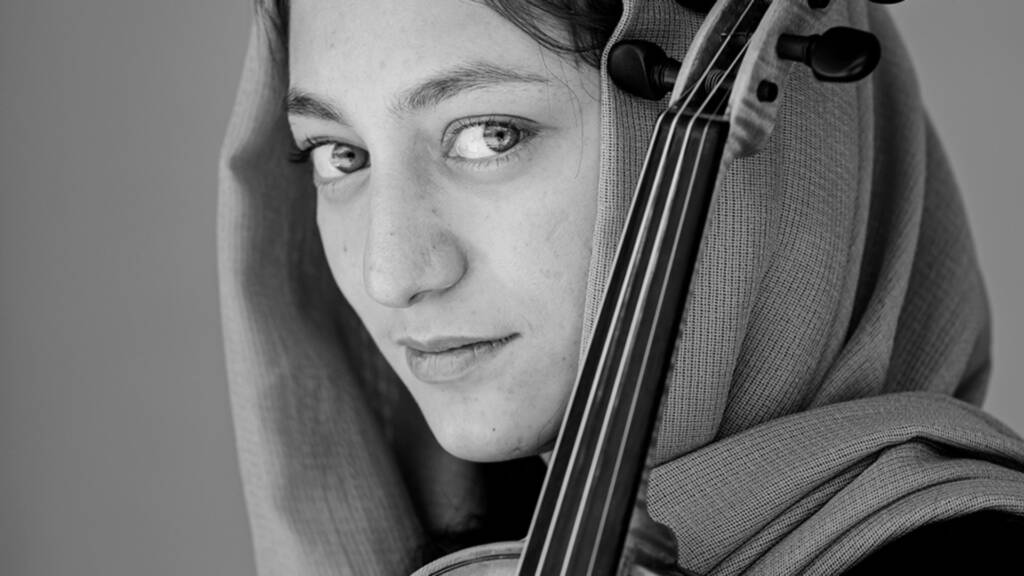
Haizebegi accueille des artistes et musiciens du monde entier pour qui la musique est un acte engagé. Orchestre Zohra de l’Institut National de Musique d’Afghanistan (en exil au Portugal), les musiciennes du musée Ivan Honchar de Kiev (Ukraine), David Krakauer (Klezmer New York), Kinan Azmeh (Syrie), Keyvan Chemirani (Iran), le percussionniste Aurélien Gignoux (Victoires de la Musique Classique), etc.
Science
Adossé au Centre National de la Recherche Scientifique (CNRS), Haizebegi est :
– un laboratoire d’innovation sur la puissance transformatrice de la musique
– un espace de partage de connaissances et de débats pour les plus grands experts et scientifiques internationaux
– un réseau international avec Haizebegi Around the World (HAW) dont sont partenaires des universités et des structures artistiques basées à Santiago du Chili, à Belo Horizonte, Bogota, New York, Bayonne et Berlin.
Company
Haizebegi involves social and medical-social workers in the development of its cultural projects. Haizebegi involves its beneficiaries and fosters the creative abilities of people in vulnerable situations by experimenting with projects in which they play an active role in. Don Bosco Institute (Unaccompanied Minors), Atherbea, emergency shelters, at the CADA, the French Red Cross, and the ICRC in Geneva (70th anniversary of the Geneva Convention on the Rights of Refugees), etc.
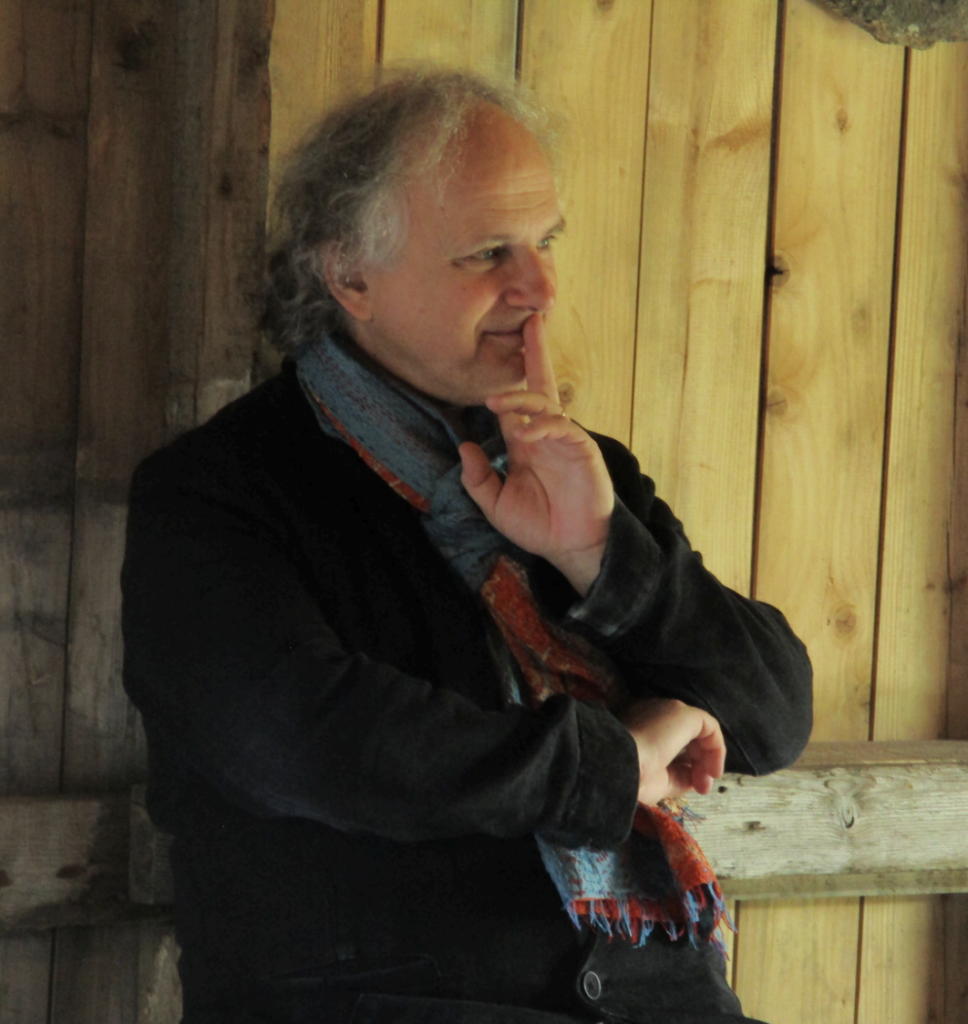
Denis Laborde, Artistic Director
Music as Anthropology
Denis Laborde est né à Bayonne. Il a grandi à Biarritz, à Anglet et à Bayonne, dans une famille de cinq générations de charpentiers-menuisiers. Son père entraînait l’Aviron Bayonnais, son oncle jouait au BO, sa mère jouait du piano. Il fallut choisir. Le plaquage mal négocié d’un deuxième ligne de l’ASB l’envoya à l’hôpital : il choisit le piano.
Après des études au Conservatoire National Supérieur de Musique de Paris, il dirige à Radio France la création mondiale des Crystal Psalms d’Alvin Curran (New Albion Records, San Francisco). Il découvre l’anthropologie, prépare un doctorat de l’École des Hautes Études en Sciences Sociales (EHESS) sur les improvisations poético-musicales du bertsulari basque. Devenu rédacteur en chef de la revue Ethnologie française, il entre au CNRS. Nommé à Göttingen (Max Planck Institut für Geschichte) puis à Berlin (Centre Marc Bloch), il organise un réseau international de recherche sur les festivals de Musiques du Monde. A son retour à Paris, il est élu à une direction d’études à l’EHESS. En 2017, il fonde à Bayonne l’Institut ARI qui devient en 2020 une équipe de l’UMR Passages du CNRS, avec 4 tutelles : l’Université de Bordeaux, l’Université Bordeaux Montaigne, l’Ecole Nationale Supérieure de l’Architecture et du Paysage, le CNRS.
Denis Laborde fait de la musique un outil d’analyse des sociétés humaines. Il concentre son attention sur les situations, emprunte à l’anthropologie sociale ses appuis théoriques, nourrit un dialogue permanent avec l’histoire, la philosophie et une sociologie d’inspiration pragmatiste. Dans le répertoire traditionnel basque comme dans les mondes du jazz, il s’intéresse à la façon dont un musicien ou une musicienne érige l’environnement en ressource d’action. Il démontre alors que, bien loin d’être un jeu de hasard, l’improvisation est un jeu d’adresse : on ne s’improvise pas improvisateur (La mémoire et l’instant ; Thelonious Monk, sculpteur de silence).
Son intérêt pour l’analyse des interactions le conduit à interroger des situations à conflit déclaré, en particulier les dénonciations de blasphème (Bach à Leipzig, vendredi saint de 1729 ; The unbearable sound: the strange career of musicoclashes, MIT Press ; « Écouter la musique, c’est un grave péché », Genève).
La réflexion qu’il mène en Allemagne sur les lieux de musique le conduit à travailler sur les figures du savoir et les institutions culturelles. Il coordonne plusieurs publications (Allemagne, l’interrogation, avec Alf Lüdtke; Erinnerung und Gesellschaft, Maurice Halbwachs (1877-1945) avec Hermann Krapoth; Désirs d’histoire avec Michael Werner; Le Cas Royaumont, Paris).
Avec l’Institut Convergences Migrations, puis avec la Columbia University à New York et le Center for World Music de Hildesheim, il structure des projets internationaux sur ce thème. Avec ses doctorants, il crée une forme originale d’écriture scientifique : le festival Haizebegi, les mondes de la musique : des concerts, des films, des ateliers, des colloques, des rencontres qui permettent à des musiciens et aux spectateurs les plus divers de partager cette libido sciendi qui anime ces chercheurs qui, comme lui, font de la musique un outil d’intelligence des sociétés humaines. À Bayonne, il pilote avec Fabienne Cazalis (CNRS) le projet MusiKautisme.
Denis Laborde a reçu la Médaille d’argent 2020 du CNRS pour l’originalité de ses travaux et leur rayonnement international.