Gabriel “Gabi” Mouesca is currently the director of the Emmaüs Baudonne Farm. This Sunday, October 22, alongside Julen Achiary, he will discuss the need to change our perspective on the prison system.
In 2001, Gabriel Mouesca was 40 years old, having spent 17 of those years in prison. He was among those who chose armed struggle to defend Basque independence. Sentenced to life imprisonment after his involvement in the shooting at the Léon campground, he escaped from the Pau prison before being recaptured by the police. He knows all too well the realities of the “barbaric punishment of incarceration.” Since his release from prison, he has tirelessly spoken out against violations of the rights and dignity of incarcerated people.

From 2004 to 2008, Gabi served as president of the French section of the International Prison Observatory (OIP). Convinced of the need to take action, he launched the Baudonne Farm initiative in 2020. The Emmaüs Farm, located in the town of Tarnos in the Landes region, covers more than two hectares. The vegetables, currently in the process of transitioning to organic certification (AB), are grown year-round, both in greenhouses and in the fields. What makes this project unique is that the dozen or so women working there are all female inmates nearing the end of their sentences. Under a sentence adjustment program, they are all offered employment contracts and wages for their work in organic vegetable farming.
In Baudonne, is the prison obsolete?
In Tarnos, there are no padlocks or barbed wire. Only an avenue of plane trees separates the farm from the rest of the world. Gabriel Mouesca is convinced that the French prison system crushes prisoners’ individuality. To help them rebuild their lives, he has therefore chosen to focus on trust and empowerment. Each resident has her own living space—a necessary form of privacy after the experience of life in a cell. For the inmates, incarceration has often meant the severing of all social ties. Therefore, support in rebuilding family ties is essential, particularly the mother-child bond. To prepare for release—which is often marked by precarious living conditions and difficulties in entering the workforce—inmates receive both group and individualized support and can enroll in vocational training programs leading to certification.
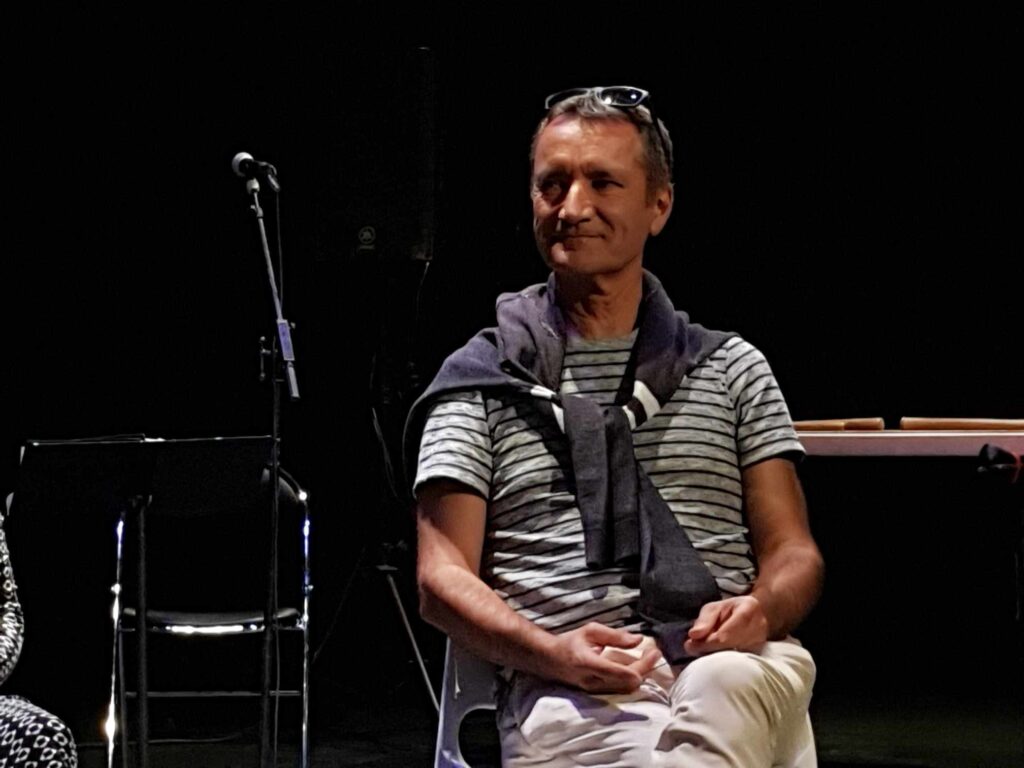
While all of these women have been convicted, they have often themselves experienced violence—whether domestic, sexual, or within their families. “Research has shown for years that the real culprits are often men,” says Gabi Mouesca. Given that more than a third of female inmates are foreign nationals and that one in ten incarcerated women cannot read or write, he emphasizes the need to move beyond an obsession with punishment, to treat custodial sentences as exceptional measures, and to prioritize (re)integration.
"For me, music is a form of escape."

The final day of the Haizebegi Festival is dedicated to music in the service of the common good. In the auditorium of the Cité des Arts, Julen Achiary—who is performing there that evening with his band Haratago—joins Gabriel Mouesca. All smiles, the musician shares his passion for “basa ahaide,” a shepherd’s song from the Soule region. Julen is convinced that music has a liberating power. This conviction is shared by Gabriel Mouesca, who has particularly vivid memories of a Basque music concert he caught on TV while he was in prison. Together with his team, he sometimes organizes small concerts at the Emmaüs Baudonne Farm. The opportunity may well arise to bring Basque singing to the Tarnos farm.
Margot Artur de Lizarraga