


“At the end of this century, which combines an era of emptiness with a society of spectacle, Liszt is more relevant and urgent than ever,” writes Bruno Moysan. The evening dedicated to the composer and pianist Franz Liszt sheds light on this historical figure, his virtuosity, his penchant for the theatrical, and his genius as a composer.
An Evening of Liszt
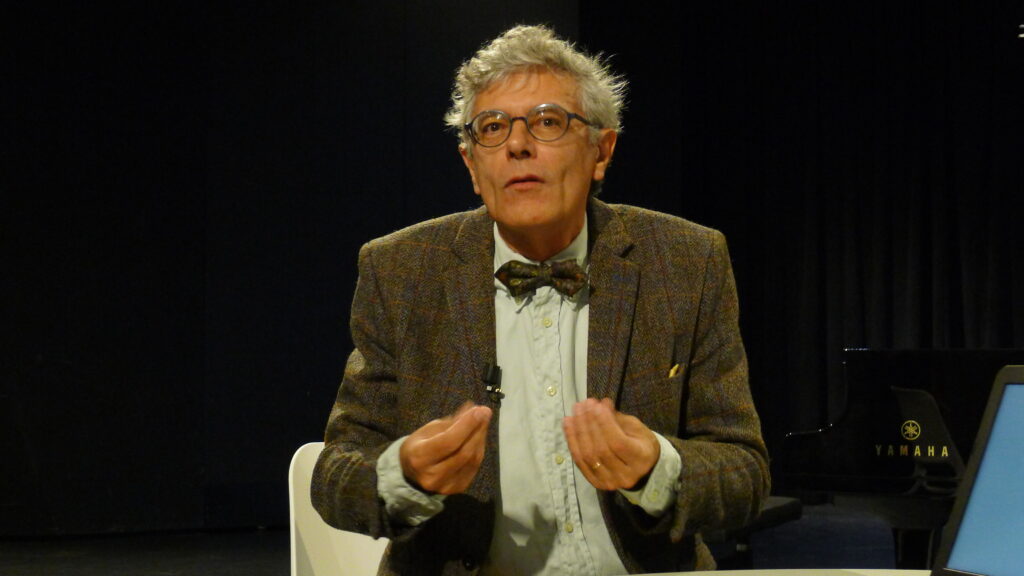
A leading figure of Romanticism, a piano virtuoso, and a composer of genius, Liszt’s name has stood the test of time. This Friday, October 20, 2023, the Haizebegi Festival invites you to discover his magnificent world. Bruno Moysan, a musicologist and leading expert on Liszt, will present his research on the composer’s Fantasies and Sonata in B minor. To close the evening, Pierre-Alain Volondat will offer a captivating performance of this sonata, bringing out the full beauty of the Romantic piano.
A piano prodigy, Liszt revolutionized the instrument
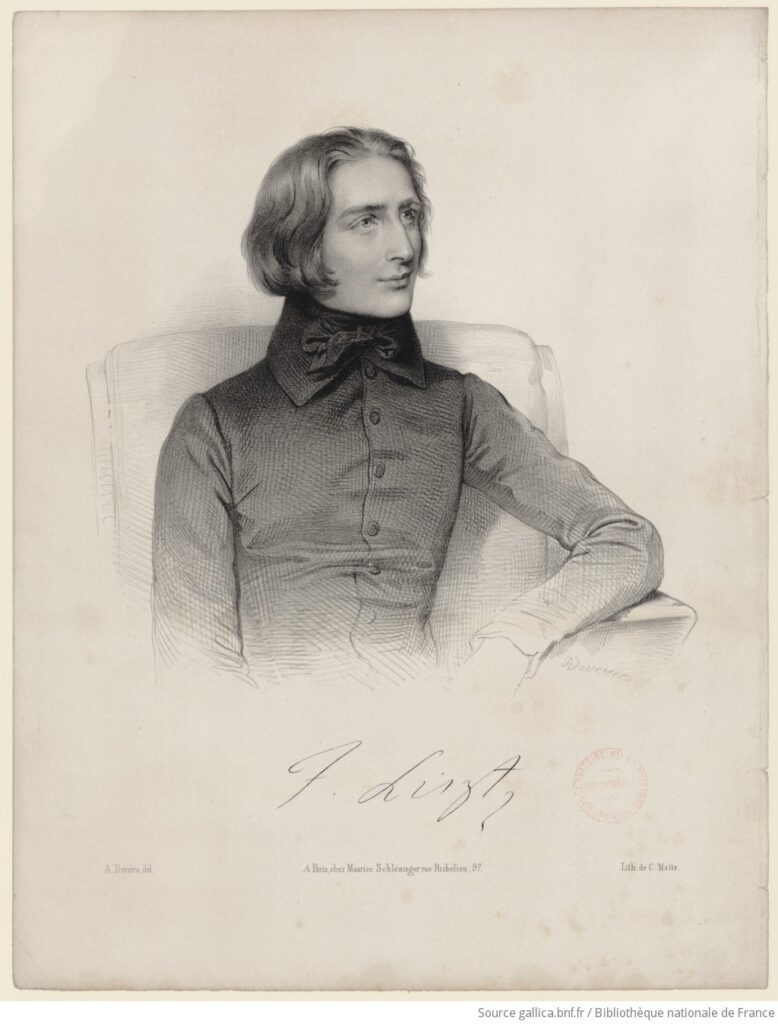
Liszt’s virtuosity has stood the test of time. His name still resonates just as strongly today, both as a composer and as a pianist. Performing Liszt is no easy task. During the Romantic period, the piano was the premier instrument, and its repertoire and technique continued to evolve. Liszt made a decisive contribution to this development, laying new foundations for piano technique. In his works, the pianist is challenged to engage in grueling mental and physical feats.
Liszt’s virtuosity is also evident in his compositions, which he enriched with numerous musical innovations. Musicologist Bruno Moysan’s analyses of Liszt’s Fantasies and Sonata in B minor reveal the composer’s ingenuity—particularly in the way he adapted techniques invented by his predecessors, especially Rossini and Beethoven in the case of the sonata. In his compositions, Liszt constantly sought to push the boundaries. It was also his rivalry with Chopin that drove him to surpass himself.
Upon closer examination, Bruno Moysan detects a sense of playfulness in many of Liszt’s scores. This is undoubtedly what drove the composer to push the boundaries of the keyboard, his technique, and his repertoire so far. One hundred thirty-seven years after the composer’s death, his virtuosity continues to be admired and serves as a model for our contemporaries.
A Contemporary Figure
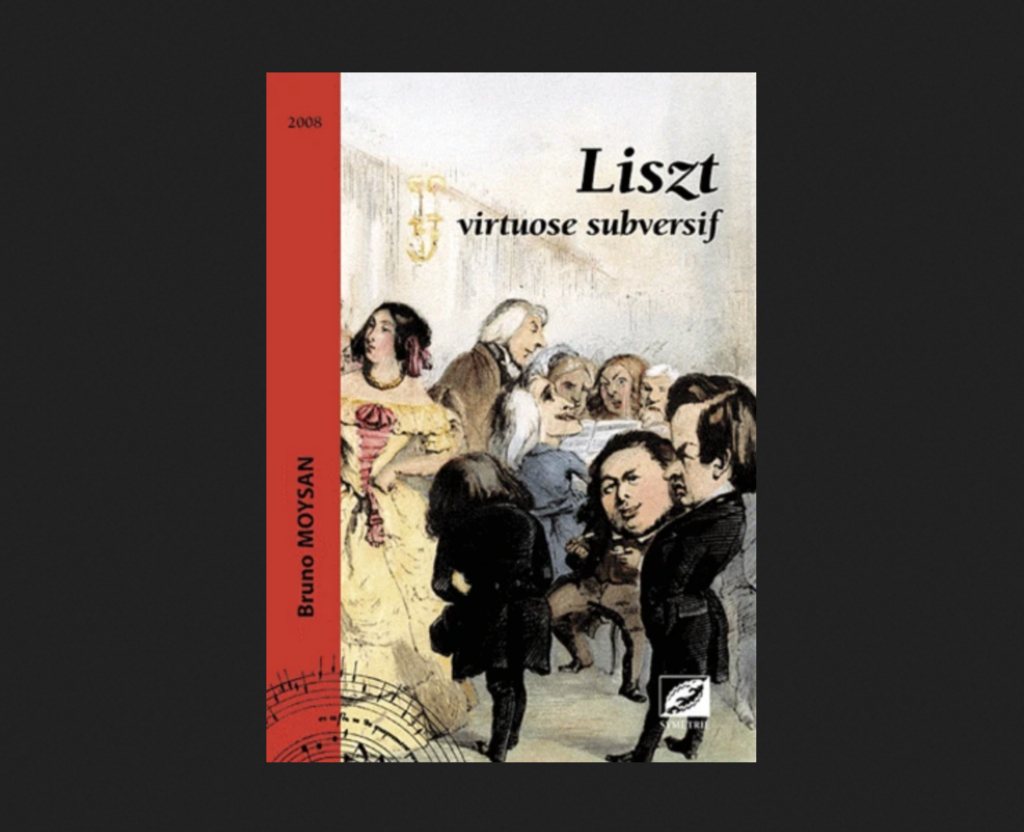
Liszt understood the art of self-presentation; he knew how to craft a public persona. “He had grasped marketing techniques ahead of his time, in tandem with the rise of capitalism. He was already postmodern in his own era,” explains Bruno Moysan. Another aspect of his modernity was his penchant for rewriting and hybridization. Nearly half of his repertoire is based on pieces by other composers. He would start with improvisation and often add a third staff to the score he was exploring. In these rewrites, he developed a dialogue between himself and the original composer. According to Bruno Moysan, this is reminiscent of a more contemporary figure of the composer—one who emerged in the 1950s and 1960s, with crossover, sampling, remixing, and rewriting… Through his modernity and his penchant for theatrical presentation, Liszt can be compared to the performers of the society of the spectacle.
Marie Le Diraison