Iceland: Of Ocean and Fire—A Conversation with Three Female Researchers
Armelle Decaulne
Profile
A presentation by the geomorphologist specializing in subpolar environments: Iceland’s fjords and the Nunavik coast in northern Quebec.
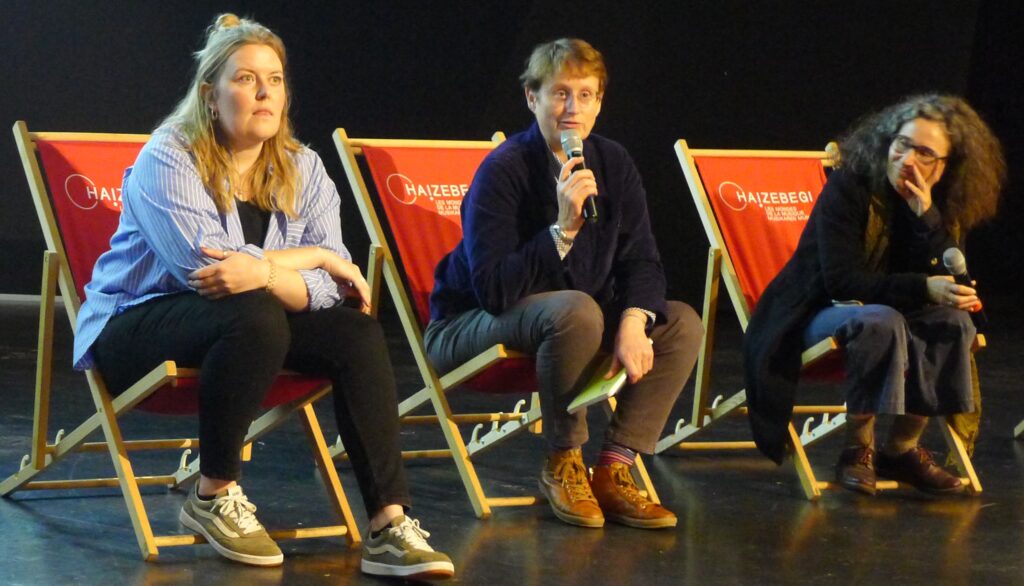
Émilie Mariat-Roy
Career and Publications
The anthropologist traces the ways of life of the Icelandic people through the ages: peasantry, fishing, and marine resource management.
The young underwater archaeologist talks about her journey that led her to work on the protection of underwater archaeological sites.
Film “Iceland: In Search of Our Roots”
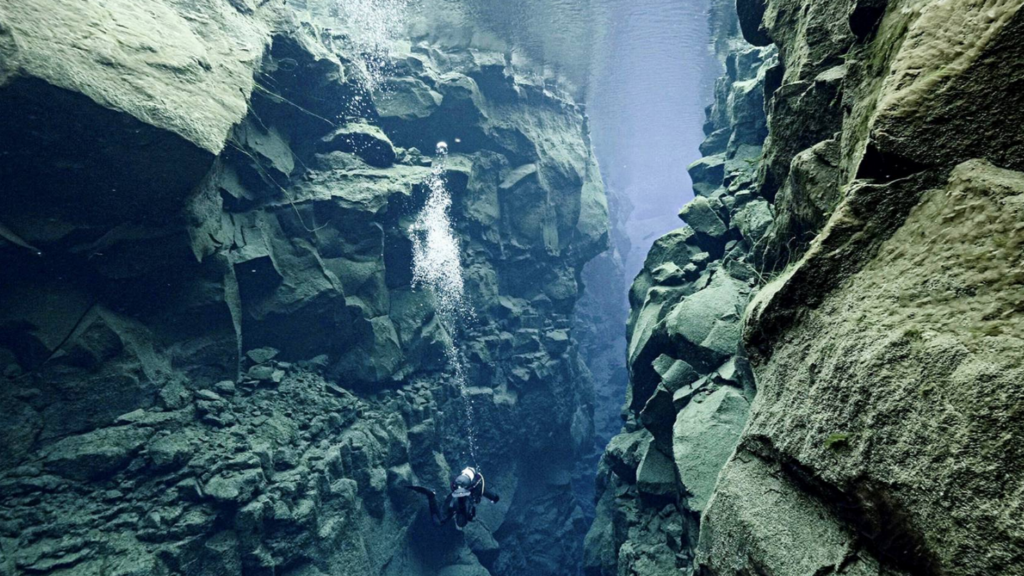
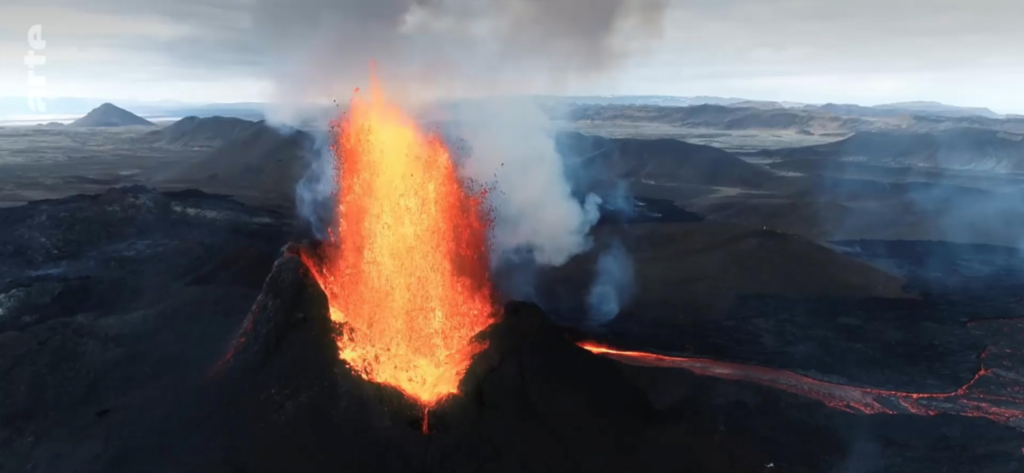
A land of ice and fire at the junction of two tectonic plates, having emerged from the water 20 million years ago, Iceland has the highest concentration of active volcanoes in the world. Its wild nature and landscapes shaped by eruptions, earthquakes, and shifting glaciers make it a constantly changing land, much like what Earth might have been like 4 billion years ago. Iceland’s most inhospitable regions—composed of molten lava, bubbling geysers, and raw rock—are home to fascinating primitive life forms, comparable to those that developed in the early oceans.